
The Biggest Garden Design Mistakes We See (And How to Avoid Them)

CEO & Garden Designer
Ruth Marshall
Whether you are starting with a blank canvas or working with an existing garden, the same underlying principles apply. Some of the most common issues we see arise just as often in new-build plots as they do in established gardens.
While we are frequently asked to refine and improve existing spaces, many of these challenges can be avoided entirely with the right thinking from the outset.
Below are the most common garden design mistakes we see, along with what to consider instead.
1. Poor Relationship Between House and Garden
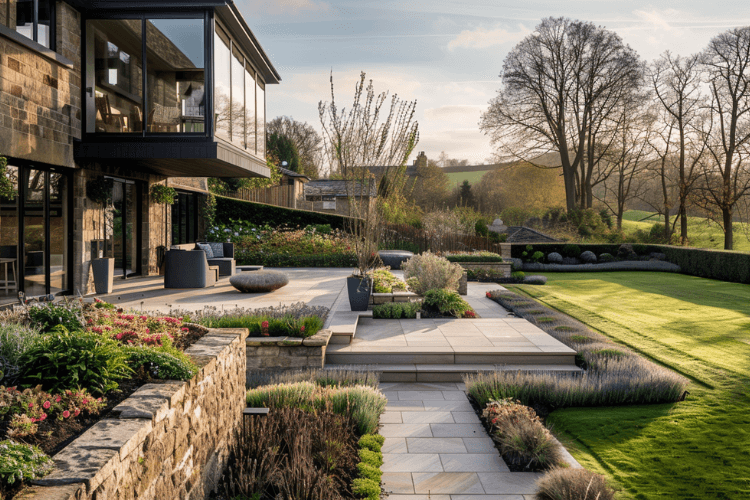
One of the most frequent issues is a lack of alignment between the architecture of the house and the geometry of the garden. This is particularly noticeable where strong features, such as swimming pools, terraces or paths, are set at awkward angles to the house.
A pool that runs diagonally across a formal rear elevation, for example, can feel jarring rather than dynamic. Instead of enhancing the architecture, it competes with it. Sometimes it is a shed at the rear of the garden aligned with the side fence rather than the house – whilst this seems natural at the time, in many cases it challenges the geometry of the rest of the garden, the angles of paths and sightlines.
In most cases, the primary geometry of the garden should be derived from the house itself. This creates a sense of cohesion and calm, allowing the garden to feel like a natural extension of the interior rather than a separate entity.
This can be overcome using sweeping curves to mask those angles, but if you don’t like curves then the geometry needs to be more rectilinear.
A better approach: Start with the house. Extend its key lines and proportions into the garden, and only introduce curves where they are confident and intentional rather than compensating.
2. Assuming random curvy shapes will look natural
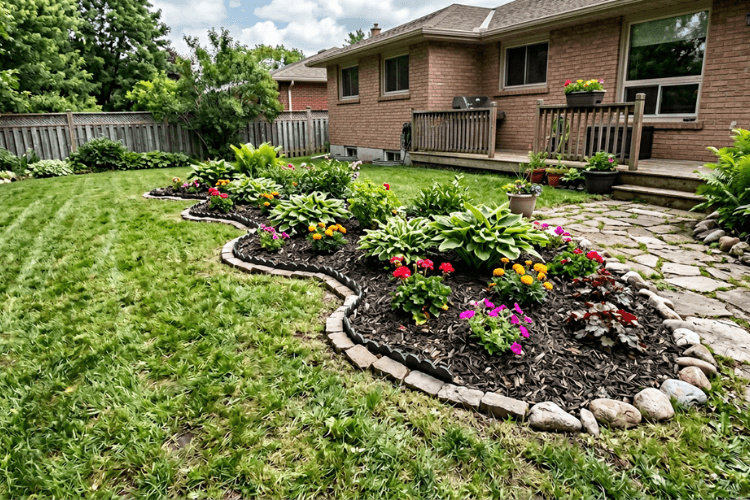
We are not at home to “wibbly wobbly” beds edged in those shapes. They do not look natural, they just look as if they have been badly done. Curves should be bold and sweeping, not random wobbles.
A better approach: If you are going to use curves, commit to them. Keep them generous and consistent, or stick to clean, simple geometry.
3. Giving Features Too Much Prominence
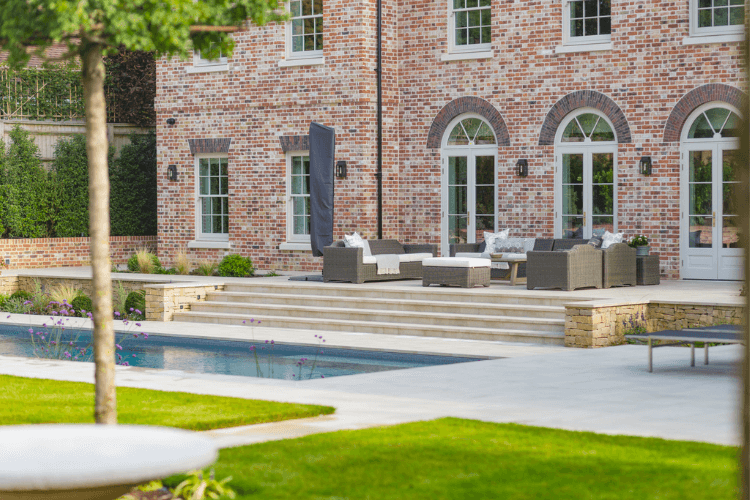
Swimming pools, pergolas, outdoor kitchens and water features are often treated as the centrepiece of a garden. While these elements can be wonderful additions, giving them undue prominence can overwhelm the space.
We frequently see pools positioned directly on axis with the main living spaces, dominating the view from inside the house. While this might seem logical (and can work well when carefully planned), it can result in a garden that feels overly engineered and lacking in subtlety.
A more considered approach is to integrate these features into the wider composition. Allow them to sit within the landscape rather than define it entirely. In many cases, softening their presence or shifting them slightly off-axis creates a more balanced and elegant outcome.
A better approach: Think of features as part of a wider composition. Let space and planting lead, with built elements supporting rather than dominating.
4. Designing in Isolation Rather Than as a Whole
Gardens are often designed as a series of individual ideas rather than a coherent composition. A terrace here, a seating area there, a planting bed added later. Each element may work in isolation, but together they can feel disconnected.
Good garden design is about hierarchy and flow. There should be a clear structure that organises the space, with secondary areas supporting that framework. Without this, even well-designed components can feel disjointed. The trick if you have a garden that feels like this is to work hard with the existing features, using planting, lawn or path shapes to weave them into a unified whole. This is perhaps the most common brief for a designer working with a “real world” plot.
A better approach: Step back and look at the garden as a whole. Establish a clear structure first, then use planting and surface treatments to connect everything together.
5. Ignoring Levels and Drainage
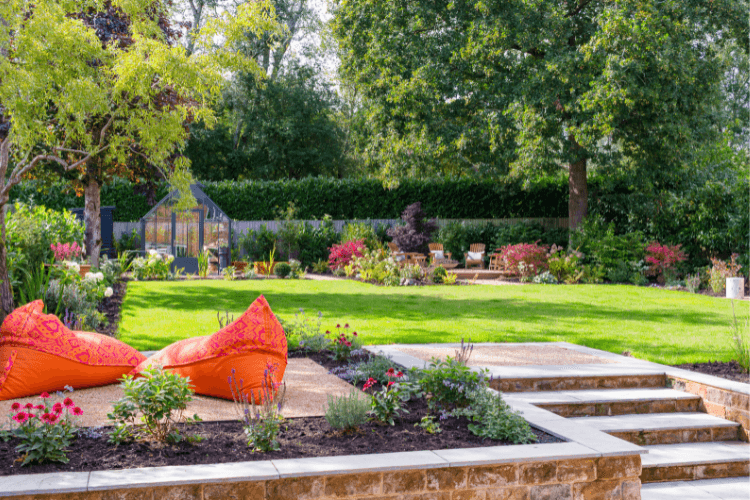
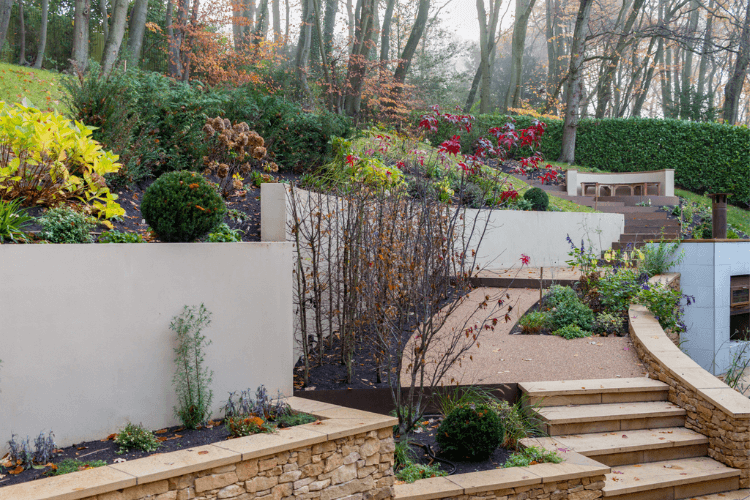
Another common issue is a failure to properly engage with the site’s levels. Either everything is flattened unnecessarily, introducing retaining structures not needed, or level changes are awkward, with uncomfortable steps, drops and slopes rather than being used to create attractive pauses and comfortable journeys.
Levels should be used to create interest, define spaces and resolve transitions between house and garden. When handled well, they can add a sense of generosity and depth.
Drainage is fundamental to how a garden performs, yet is often under-considered at design stage. With our wetter winters and clay-rich soils in much of the South of England, water is a real issue, compromising plant health and longevity as well as waterlogging hard landscaping and creating dirty run-off. The result can be water sitting on terraces, lawns that struggle, or expensive remedial works later.
A well-designed garden resolves levels early and integrates drainage seamlessly.
A better approach:
Work with the levels you have. Use them to create terraces, moments and gentle transitions rather than fighting them. Modelling in 3D is a massive help here, showing exactly the layout and options.
Think about where water will go before anything is built. Falls, surfaces and drainage should be part of the initial design thinking.
6. Overcomplicating the Layout
There is often a temptation to add too much into a garden, particularly in terms of different materials and features.
Simplicity is often more powerful. A clear structure, a limited palette of materials and a restrained approach to form tend to create more enduring and elegant gardens.
A better approach: Be selective. Fewer, well-considered elements will almost always result in a calmer and more successful space.
7. Planting as an Afterthought or with too little space
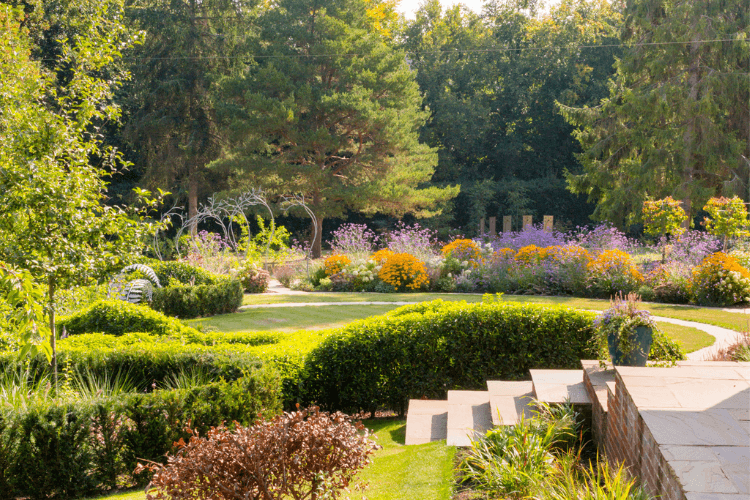
In many projects, planting is considered late in the process, once the hard landscape has been resolved. This can lead to token planting that does little to soften or enrich the space. You will not get good successions of colour and screening if you have a very narrow bed wedged against a fence or wall. Wider beds may make the lawn narrower, but this typically makes the space feel larger, not smaller, by creating a seamless flow and reducing the visual impact of the boundary.
Even if (and perhaps particularly if) you are not that knowledgeable about planting, it should be integral to the design from the outset. It is what brings a garden to life, creating seasonal interest, texture and a sense of place.
A better approach: Prioritise planting space early. Think in layers and depth, and allow enough room for planting to do its job properly.
8. Assuming the builder can “do the garden”
We can usually tell if a garden has been led by a contractor rather than someone focussed on the design of the garden. Arguably we would say that, and there are many builders with a good eye, but as many without, and who focus on what they know how to do rather than how the client wants to live. Raising your aspirations for your garden by seeking inspiration from designers, magazines and articles is a great first step.
Without a strong design framework, decisions are often made on site, leading to compromised layouts, awkward alignments and a lack of cohesion.
A better approach: Even if you are not appointing a designer, invest time upfront in a clear plan. Good references, layouts and forethought make a significant difference.
9. Not Designing for Maintenance
A garden may look beautiful on completion, but if it is difficult to maintain, it will quickly deteriorate. One of the most common oversights is failing to consider how the lawn will actually be mown, particularly around tight corners, small level changes or narrow gaps.
Maintenance should be designed in from the outset. This includes access, practical mowing lines and realistic planting schemes.
A better approach: Keep it practical. Allow for access, simplify shapes where needed and be realistic about how much time you want to spend maintaining it.
10. Overvaluing the Size of the Lawn
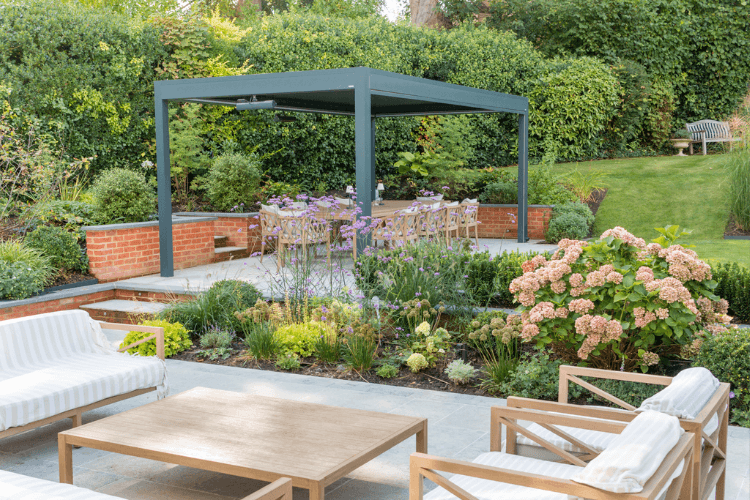
There is a common assumption that a large lawn will make a garden feel bigger. In reality, this often results in awkward proportions, with expansive grass areas surrounded by mean planting.
This is particularly evident in gardens designed around a large football lawn for children. While well intentioned, these spaces can dominate the layout and are rarely adaptable as needs change.
Children grow up quickly, and a garden should be able to evolve. Absolutely plan for play space, but remember the period where this is key is relatively short- designing flexibility into the layout ensures it remains relevant over time.
A better approach: Balance lawn with generous planting and flexible spaces that can evolve as your needs change.
11. Buying Plants randomly
We all love a good impulse buy, and this is perfect for containers or restricted planting areas, but picking up one of everything without a clear plan is a recipe for a mess!
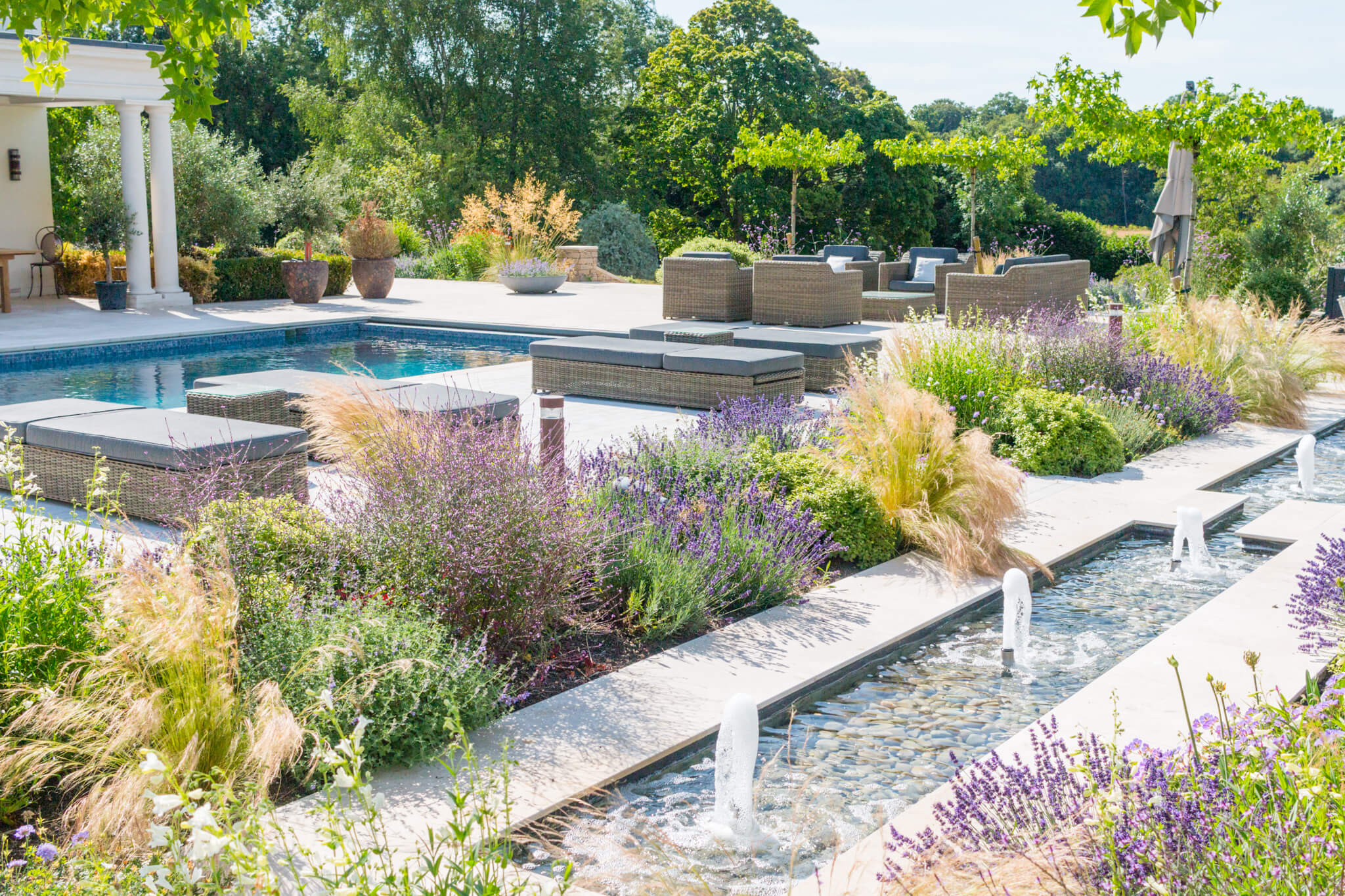
This leads to gardens that feel disjointed and lack rhythm. Good planting design relies on repetition, grouping and carefully considered combinations. Using plants in drifts and layers creates cohesion and impact, far beyond what can be achieved with isolated specimens.
A better approach: Limit your palette and repeat it. Groups and drifts will always feel more intentional and cohesive.
12. Mistaking Price for Value
Finally, we often see decisions driven by initial cost rather than long-term value. Opting for smaller plants, cheaper materials or reducing design input may seem economical at the outset, but it rarely delivers the best result.
In reality, investing in strong design, well-chosen materials and appropriate plant sizes tends to offer far better value over time. Gardens mature more quickly, require fewer corrections and ultimately provide a more rewarding space to live with.
A better approach: Spend where it matters. Prioritise structure, materials and key planting that will define the garden long term.
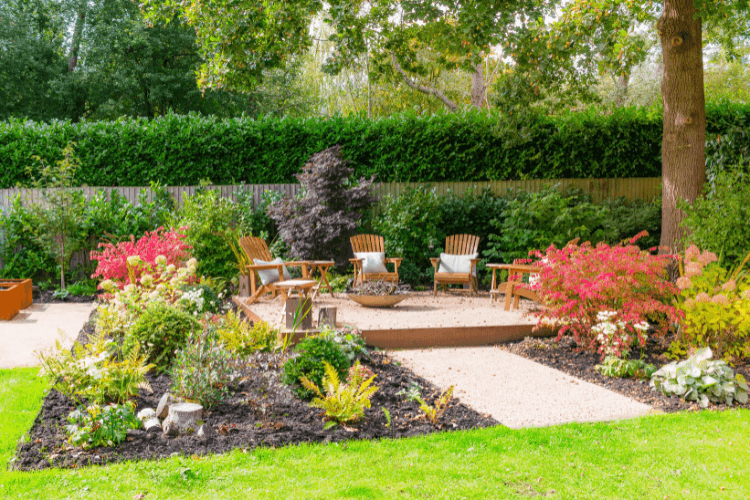
Most garden design mistakes stem from a lack of overarching vision and long-term thinking. When the relationship between house and garden is properly considered, when features are integrated rather than imposed, and when practicalities such as maintenance, levels and materials are resolved early, the result is a garden that feels both elegant and effortless.
If budget is tight you can achieve a great deal yourself by planning carefully up front. Seek inspiration, take time to think it through and build a clear plan. If budget allows, arranging a consultation with a specialist (and even speaking to more than one) can be a worthwhile investment.
At CGLA, we work across both new and existing gardens, helping to establish a clear structure from the outset or refine what is already in place. In both cases, the aim is the same: to create a garden that feels coherent, considered and effortless to live with.
CGLA are an award winning team of Garden Designers, Landscape Architects, Landscapers and Garden Maintenance Operatives working in Buckinghamshire, London and the South East, as well as on prestigious design projects across the UK and abroad. We are currently working in Oman, Jersey and France, and welcome enquires for design, landscaping or garden maintenance. Contact us here
